New publication – “Wikipedia and the Outsider Within: Black Feminism and Social Inequality in Knowledge Sharing”

I’m pleased to share a new paper I co-authored with Howard University alumni Sophia Hussein, Mariam Trent, and Lundyn Davis. The paper describes a 2018 course assignment in which we contributed to Wikipedia through the programming offered by Wiki Education. We use paper to describe the assignment for others, and also to offer observations on Wikipedia itself. The paper takes advantage of delay between the course assignment and publication to describe not only the students’ contributions 2018 to Wikipedia, but also what happened to their writing after five years of editing by other Wikipedia editors. I’ve pasted the abstract below, and you can read the entire article here.

I’ve been running Wikipedia assignments since 2017, and continue to find them valuable pedagogical tools. While the assignment described in this paper mostly had the students adding and editing text on Wikipedia, in the last few years I’ve also started to have the students focus more on adding pictures to Wikipedia articles. I had a chance to share some of the image-based work with the ASU Digital Humanities network at a coffee-hour event yesterday, and look forward to writing about it in the future.

I’ve run the assignment in my Food/Agriculture/Justice and Environment/Justice classes in Sociology as well as Justice Studies, at both Howard University and Arizona State. For those of you interested in learning more about running Wikipedia assignments in your classroom, consider attending one of Wiki Education’s regular introductory webinars.

Authors (from left) Mariam Trent, Lundyn Davis, Sophia Hussein and Tracy Perkins present their research at Howard University Research Week. April 11, 2019.

Wikipedia and the Outsider Within: Black Feminism and Social Inequality in Knowledge Sharing

By Tracy Perkins, Sophia Hussein and Lundyn Davis. In Civic Sociology.

This paper examines the politics of knowledge on Wikipedia through a Black feminist lens, with particular attention to Patricia Hill Collins’s concept of Black women as “the outsider within” in intellectual spaces. We present an assignment in which a class of predominantly Black, female undergraduate students were tasked with analyzing and then improving content on Wikipedia. Wikipedia strives to be unbiased through a transparent writing and editing process that draws on reliable, published sources. These protocols regularly help catch and fix hoaxes and content vandalism. Nonetheless, we build on existing scholarship to show that Wikipedia has other kinds of biases that result in racist and sexist knowledge gaps, euphemisms, stereotypes, and misrepresentation. These problems are a result of (1) the personal experiences and opinions of Wikipedia editors, who are predominantly white and male; (2) the requirement for subjects to be deemed “noteworthy” through citing multiple sources that meet Wikipedia’s standards of reliability; and (3) gatekeeping practices by the existing editors. As a result, we argue that Wikipedia can not only extend but also exacerbate pro–white male biases present in the source materials that Wikipedia draws on. We note the potential for more diverse editors to improve Wikipedia content, but we also offer cautionary observations on this strategy. Last, we suggest that college instructors can teach students to better understand racialized and gendered knowledge processes through assignments to contribute to Wikipedia that are paired with supportive readings.

Links roundup: Recent book-related writing, speaking and publishing

I’ve had some nice opportunities to share thoughts about my book, or content related to it, in the last few months. Please see below for an essay, a radio interview, and a book excerpt.

Video: Discussing my book with Laura Pulido

Last Friday I had the distinct pleasure of discussing my recently published book, Evolution of a Movement: Four Decades of California Environmental Justice Activism, with scholar Laura Pulido. It was a wonderful way to launch the book into the world. You can watch the complete recording above. It clocks in at just under an hour and a half (introductions, then a reading, then discussion with Dr. Pulido, then discussion in response to audience questions).

The event took place at ASU, with Dr. Pulido zooming in from the University of Oregon and Michael McQuarrie serving as moderator. Together with my home unit, the School of Social Transformation, the event was co-sponsored by the T. Denny Sanford School of Social and Family Dynamics, the School of Transborder Studies, the New College of Interdisciplinary Arts and Sciences, Rob and Melani Walton Sustainability Solutions Service, and the Center for Work and Democracy. Thank you to everyone who made the event possible.

New publication on California environmental justice movement history

I had a new publication come out this week on a subject close to my heart, California environmental justice history. The article is titled “The multiple people of color origins of the US environmental justice movement: social movement spillover and regional racial projects in California.” It explores the origins of the national US environmental justice movement through California’s early activism. The article showcases the many, regionally specific strands of activism among racialized groups that informed the California environmental justice movement. It presents social movement geneologies of Black, Indigenous, Asian American and Latinx activists in California, with particular attention to the role of the farmworkers’ movement through the United Farmworkers of America (UFW).

Like many academic articles, this one was a long time in coming. The idea for it started when I was doing research on environmental justice activism in California’s San Joaquin Valley during my time as a master’s student at UC Davis (2006-2008). I saw how present the farmworkers’ movement was in environmental justice gatherings, at which people often sang UFW protest songs, carried UFW flags, referenced UFW leaders Cesar Chavez and Dolores Huerta, and drew on the skills of the many people in the region who had been part of the farmworkers’ movement in its heyday. These experiences informed my master’s thesis and subsequent article on what leads women into environmental justice activism, “Women’s Pathways Into Activism: Rethinking the Women’s Environmental Justice Narrative in California’s San Joaquin Valley.” They also later led to an essay titled “The Environmental Justice Legacy of the United Farm Workers of America: Stories from the Birthplace of Industrial Agriculture.” I expanded on these themes in the first chapter of my book manuscript after graduating with my PhD. However, I eventually cut the chapter from the book manuscript, as it was making a different argument than the rest of the book, which is on the political evolution of the California environmental justice movement (forthcoming with UC Press in February of 2021). Also, as the chapter kept getting longer and longer, it was clear it just wouldn’t fit. The discarded content found new life at the “Bridging the Gap: Race and the Environment” mini-conference preceding the American Sociological Association’s (ASA) 2018 Annual Meeting in Philadelphia. The mini conference was organized by the Committee on Racial Equity within the ASA section on Environmental Sociology as part of broader efforts to address racism within the section. The article has now been published in “online first” format prior to the completion of a special issue stemming from the mini-conference. Thank you to everyone who helped put on the conference and who are now shepherding the special issue through to completion, especially my assigned guest-editor, Jennifer Carrera.

Thank you also to all the environmental justice activists who have let me interview them over the years. Getting to hear about your lives is one of the highlights of my job. This article names some environmental justice activists, but others remain anonymous. This is because some of the interview excerpts already exist in the public sphere with their names attached (anonymous interviews conducted by myself for which I subsequently got permission to use real names, or interview excerpts published by others), while others do not. California activists who are named include: Maricela Mares Alatorre, Robin Cannon, Pam Tau Lee, Marta Salinas, and Lupe Martinez. A paper this short can’t provide a comprehensive history of California environmental justice history and all of the activists who were part of it. Rather, I use a few individual activists’ experiences to present themes relevant to the broader movement. It’s a fascinating history – I’m thinking about making it the subject of my next book, where I can give it the fuller treatment that it deserves.

The article is behind a paywall, but free downloads are being provided by the publisher to the first 50 people who access it at this link.

The multiple people of color origins of the US environmental justice movement: social movement spillover and regional racial projects in California

Abstract

This paper contributes to scholarship on the origins of the US environmental justice movement (EJM) through exploration of the early EJM in California. The national EJM is often seen as having grown out of the intersection of environmentalism and the Black civil rights movement in the 1982 protests in Warren County, North Carolina. This paper adds weight to alternate narratives that depict the EJM as drawing on a variety of racialized social movement infrastructures that vary regionally. These infrastructures, as they were built in California, are analyzed as regional racial projects responding to histories of white supremacy that are connected through social movement spillover. This conceptual framework illuminates the place-based ways in which racial oppression and racial justice responses create social movement infrastructure that persists across multiple movement formations, both across contemporary groups and through time. The paper draws on data gathered from existing case studies and oral histories, in-depth interviews, participant observation, and archival documents to offer a capacious view of the EJM’s origins.

Gustavo Aguirre was first involved in the farmworkers’ movement through the United Farmworkers of America (UFW), and later joined the environmental justice movement. Here he shows a letter from UFW leader Cesar Chavez. The flags of the UFW and CRPE, an environmental justice organization, hang above his desk. Photo by Tracy Perkins, 2010.

Teaching students to contribute to Wikipedia

This week I crossed the threshold in which summer no longer seems to stretch out endlessly before me and I start to think about updating my fall classes. I’ll be teaching two, a graduate seminar on the Sociology of Environmental Health, and an upper-division undergraduate class on the Sociology of Food and Agriculture. Last year was my first time teaching the latter class. I have a few tweaks in mind for the readings compared to last year’s syllabus, and I intend to once again center the class project around teaching students how to contribute new content to Wikipedia.

I was pleased with how the Wikipedia assignment worked out last year. The good people at Wiki Education helped me set it up before the class began by walking me through the various assignment modules they have available for instructors to adapt to their own purposes. Some are short assignments that teach students how to add images or citations to existing articles. I chose the most extensive model, in which students spend the entire semester learning how to, 1) evaluate existing Wikipedia content, 2) identify areas that need improvement, 3) read the existing scholarly literature on their chosen topic, 4) summarize that scholarship on Wikipedia, and, 5) respond to other Wikipedia contributors who may alter, delete, or add to their work. These are all transferable skills for traditional academic research, as well as for critical thinking, writing and collaborative work in general.

The assignment also gave us an opportunity to discuss the social construction and politics of knowledge. Wikipedia contributors skew heavily white and male, and this impacts the kinds of content available on the site (articles on military history and video games are apparently particularly well-developed). This leaves a number of topics wide open for student contribution. Accordingly, one of my students created an article on Black Land Loss in the United States. Others added content to existing articles: one student added a description of the Freedom Farm Cooperative that Fannie Lou Hamer organized as part of her civil rights work; another added content on the challenges faced by female farmworkers to the Agriculture in the United States article. Another researched labor conditions on organic farms to add to the article on Organic Food, though her content was ultimately never added to Wikipedia.

This assignment generated more student interest in assessing the credibility of what they read and supporting their own work with strong citations than I have seen in other assignments. Some of this is likely due to the fact that real people all around the world will read their work. Indeed, Wikipedia has become a massive online encyclopedia with global reach. The dashboard available to instructors tracks how many “views” there are of the articles that students create or edit. Less than one year later, the articles to which my students contributed have been viewed 661,000 times (actually, I suspect the number is higher – students sometimes added their contributions without remembering to sign in to their user profile first).

While the Wikipedia protocols for adding content and interacting with other users are a bit cumbersome to learn, I was impressed by how much support Wiki Education offers. Beyond the adaptable assignment modules and training videos they have created, they also assigned my class two staff helpers. The helpers were on hand throughout the semester to answer my questions and to interact directly with my students, they even provided direct feedback on their writing.

This semester I’ll make an effort to streamline my assignment somewhat, which ended up confusing myself and the students with a few too many due dates for editing and revising. Beyond that, I plan to stick with last year’s winning formula. If you teach with Wikipedia, I’d be interested to hear about your experiences. And if you teach Food and Agriculture, send your students over to my students’ work to continue to improve upon it.


New book chapter just published

My fellowship at the University of Arizona came to an end in late May, after which I drove back across the country to Washington DC. The drive was fun – it included stopovers to sightsee in the Four Corners and see old friends in Albuquerque. I also visited with activist Earl Tulley and others in Dilkon, AZ, at the 30th anniversary of the Navajo environmental group Diné CARE.

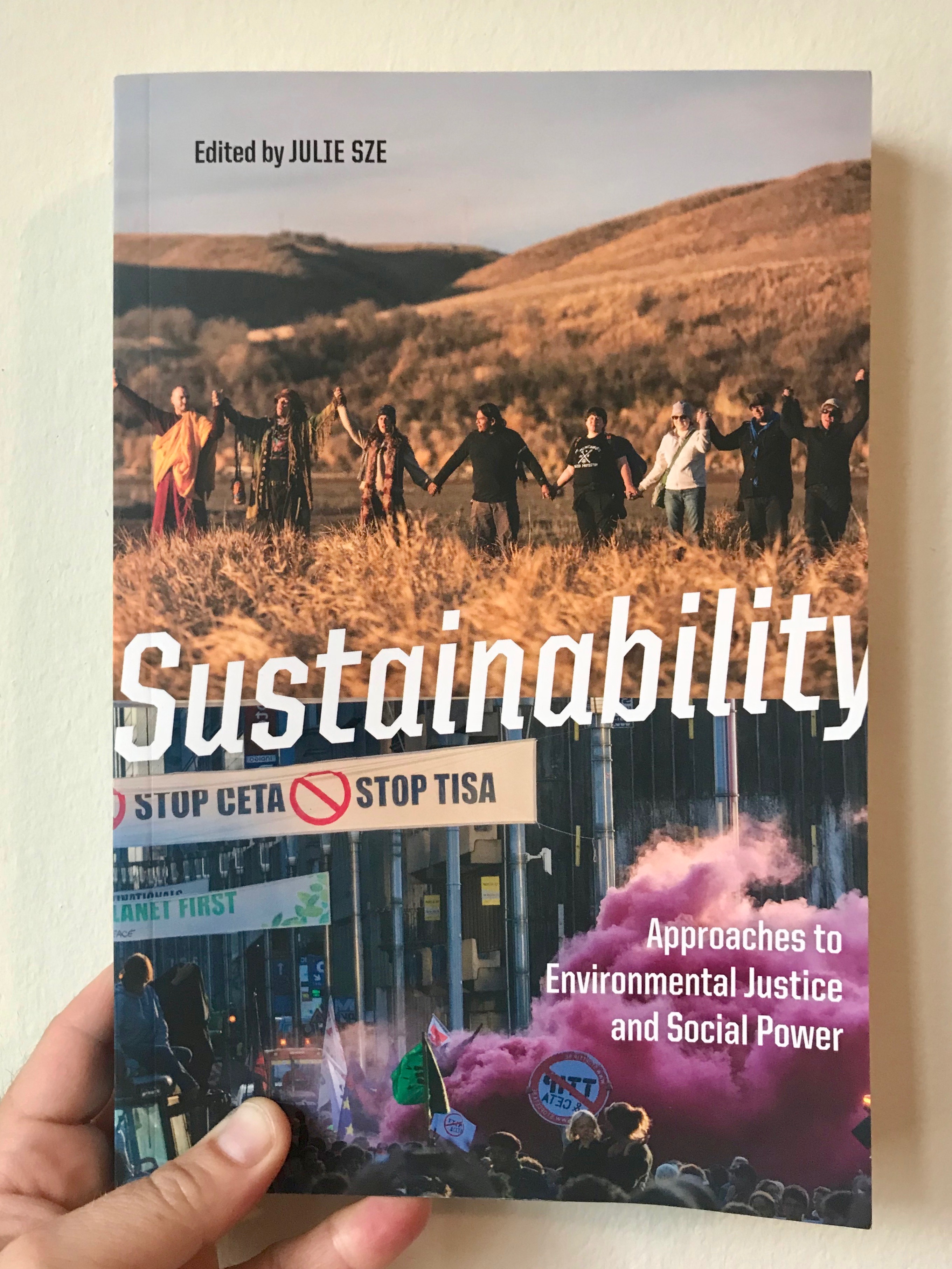
As much as I enjoyed my time away, it’s a pleasure to get back home to my friends and household routines. I was also happy to find this book waiting for me in the mail when I arrived:

IMG_4100.jpg

Sustainability: Approaches to Environmental Justice and Social Power, edited by Julie Sze, is newly available from NYU Press.  I contributed a chapter with Aaron Soto-Karlin titled, “Situating Global Policies within Local Realities: Climate Conflict from California to Latin America.” Aaron and I met about five years ago when we were both conducting research on the implementation of the landmark California Global Warming Solutions Act of 2006. My research was for my Ph.D. dissertation, his research was for a film. Aaron had long lived and worked in Chiapas, Mexico, while my work focused on environmental justice activism in California. Our interests converge in this analysis of a memorandum of understanding to tackle climate change through linking California’s carbon market to forest preservation efforts in Chiapas. The MOU also included the state of Acre in Brazil, but we focus on just California and Mexico in this chapter.

We wrote this chapter with the hope that it would be assigned in undergraduate college classes. Accordingly, we made a special effort to write something that doesn’t require prior familiarity with carbon offsets, carbon markets, and climate change politics. It should be of interest to anyone tracking US climate change politics, and California’s in particular. The chapter also helps readers think more broadly about how environmental policies designed for global use are impacted by on-the-ground realities in the places where they are implemented. It also highlights how difficult it is to create “win-win” solutions that meet both environmental and social justice goals. In the case of carbon offsets between California and Chiapas, tension emerged between meeting environmental goals, such as preserving forests and reducing carbon emissions, and social justice goals linked to land tenure and human health.

If you assign the chapter to any of your classes, I’d love to hear how it goes. There are also many other great contributions in the book, you can find a list of them here.

Hello, Tucson!

Hello from sunny Tucson, Arizona! I’m spending the spring semester here as a Visiting Associate at the University of Arizona through the Agnese Nelms Haury Program in Environment and Social Justice.  Here’s a description of the project I’m working on pulled from the press release:

I’ll be using my time in Arizona to create a digital archive of a 1990s era campaign against a nuclear waste landfill. In particular, the project will highlight the role of five tribes along the lower Colorado River in the landfill’s eventual defeat. The visiting associateship at the Haury Program is enabling me to do the kind of scholarship that isn’t always well supported – projects developed with off-campus partners that create digital products designed to be available to a broad audience. I hope the rich stories that emerge will also inspire university libraries to create environmental justice archives out of the many personal collections currently being held in closets, garages and storage units. If these archives are lost over time, many of the experiences of environmentalists of color, in particular, will continue to be left out of the narrative of US environmental history.


Specifically, I’ll be working on the successful anti-nuclear waste landfill campaign in the Mojave Desert’s Ward Valley, with support from Greenaction for Health and Environmental Justice, and the AhaMakav Cultural Society, a Department of the Fort Mojave Indian Tribe. Campaign participants gather every year to celebrate their victory at the site where the landfill would have been built, but for their actions. I’ve been to this event twice before, and look forward to continued interviewing at this year’s 20th anniversary ceremonies.

In the lead up to that event, I’m enjoying meeting new people, exploring the desert landscape on the weekends, and having focused time to work on my research. See below for a few snapshots of what I’m seeing at the University of Arizona, Tucson, and the surrounding Sonora Desert.


IMG_2575

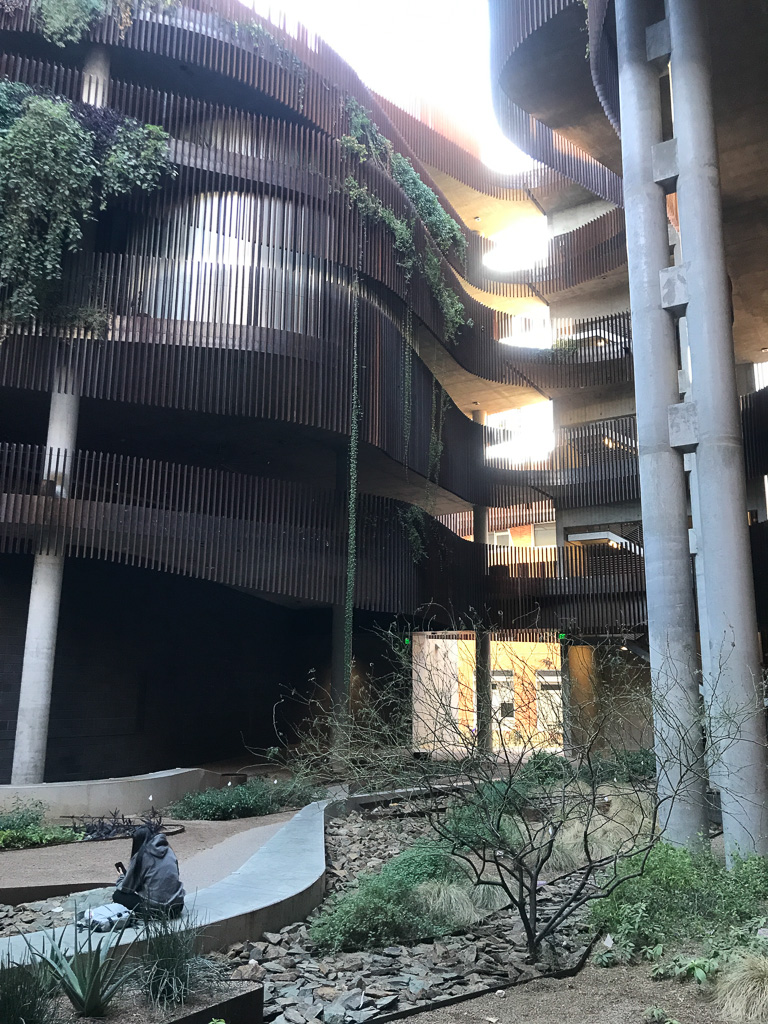
The design of my building at the UofA was inspired by a slot canyon. I think.

IMG_2703

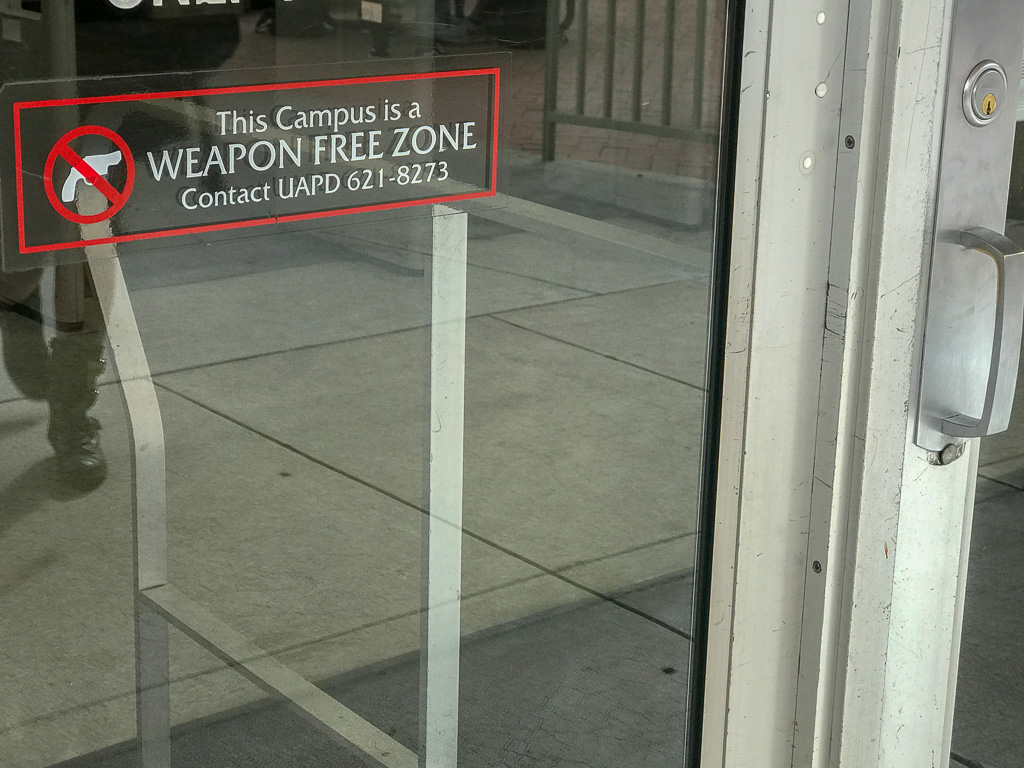
Arizona is an “open carry” state. Hence the signs.

IMG_2583

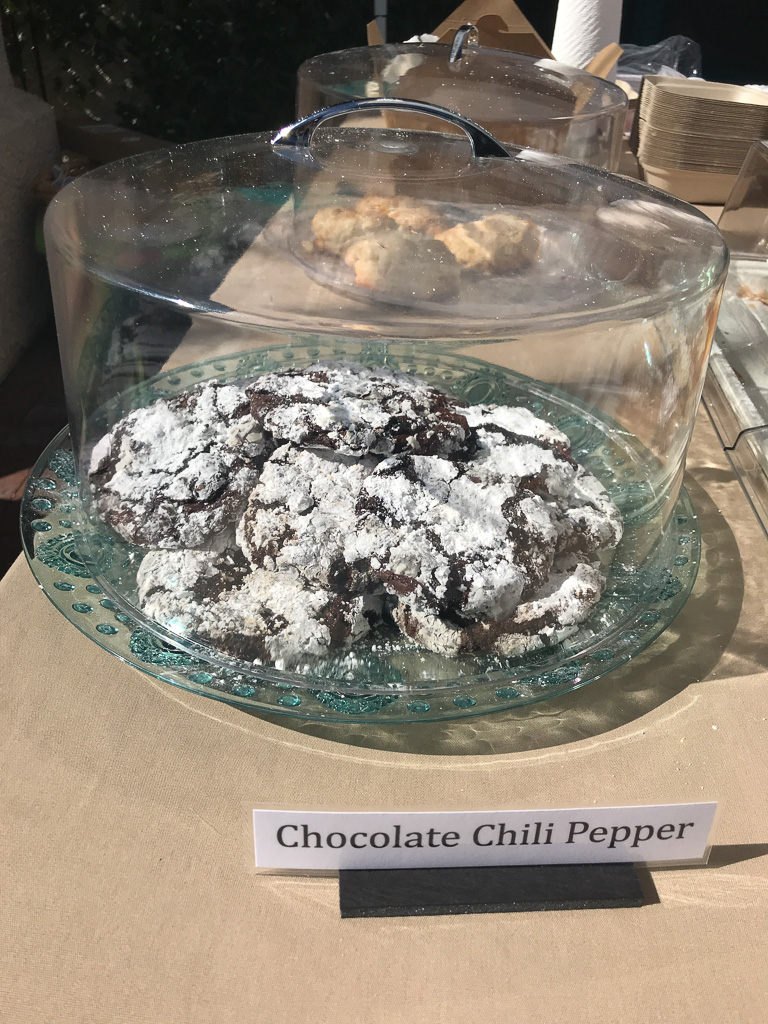
Chili pepper everywhere!

IMG_2688

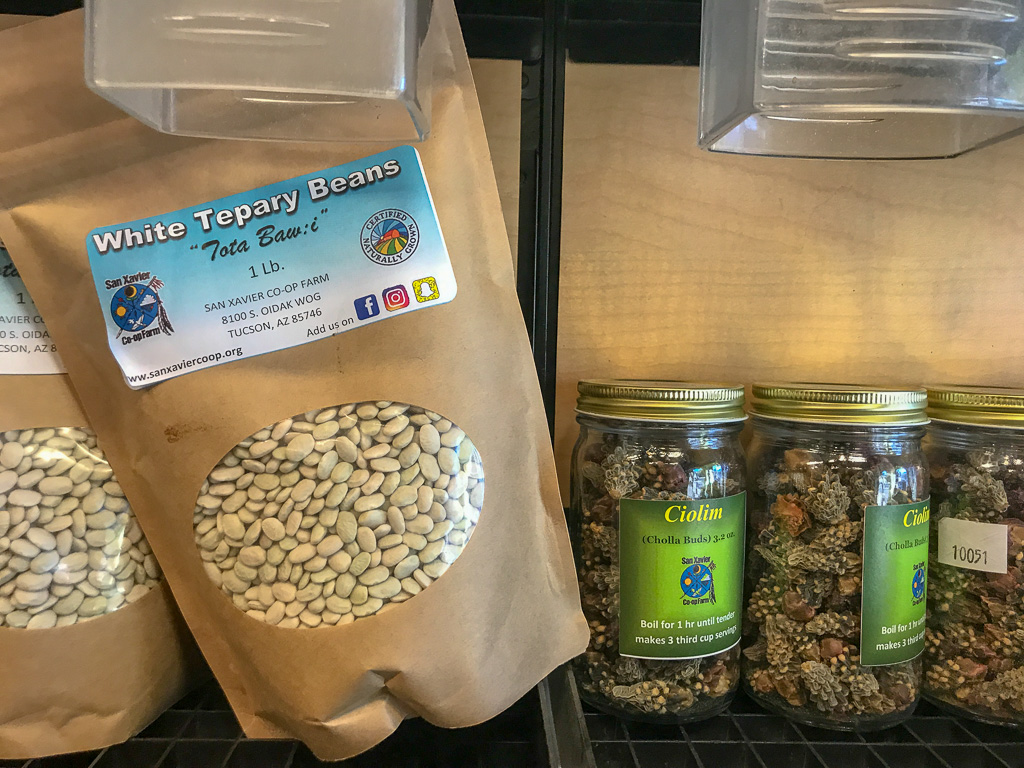
Local foods from the San Xavier Co-op Farm.

IMG_2690

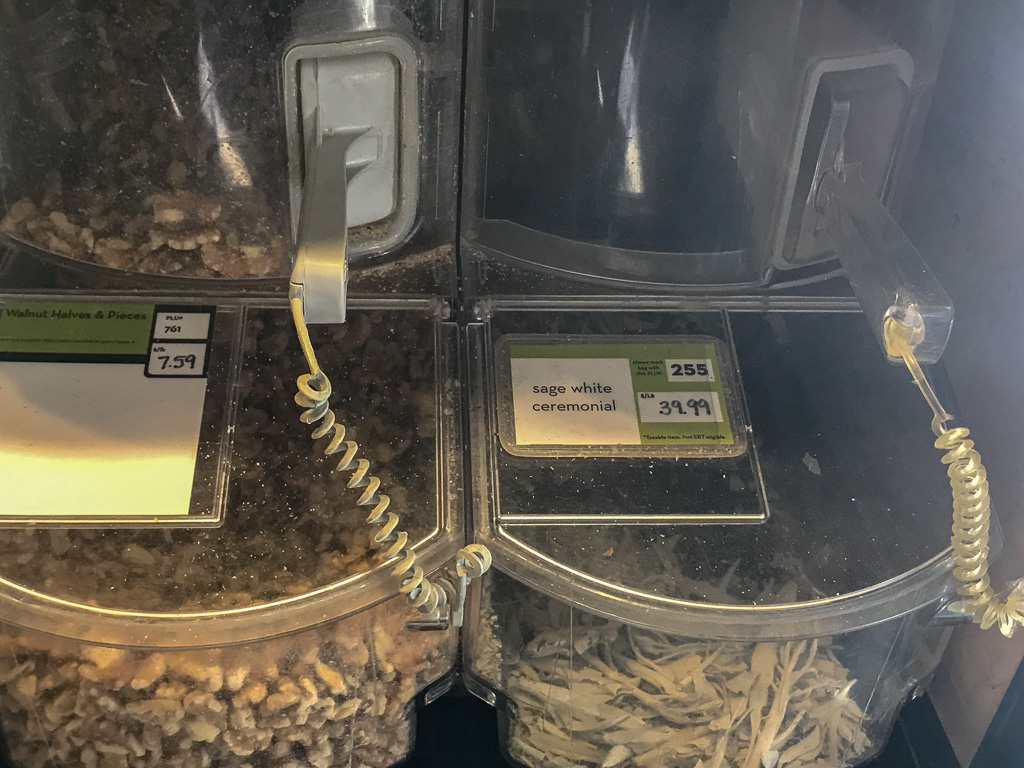
The food coop carries ceremonial white sage in the bulk section.

IMG_E2614

Arizona turquoise on display at the annual Tucson Gem Show.

IMG_2629

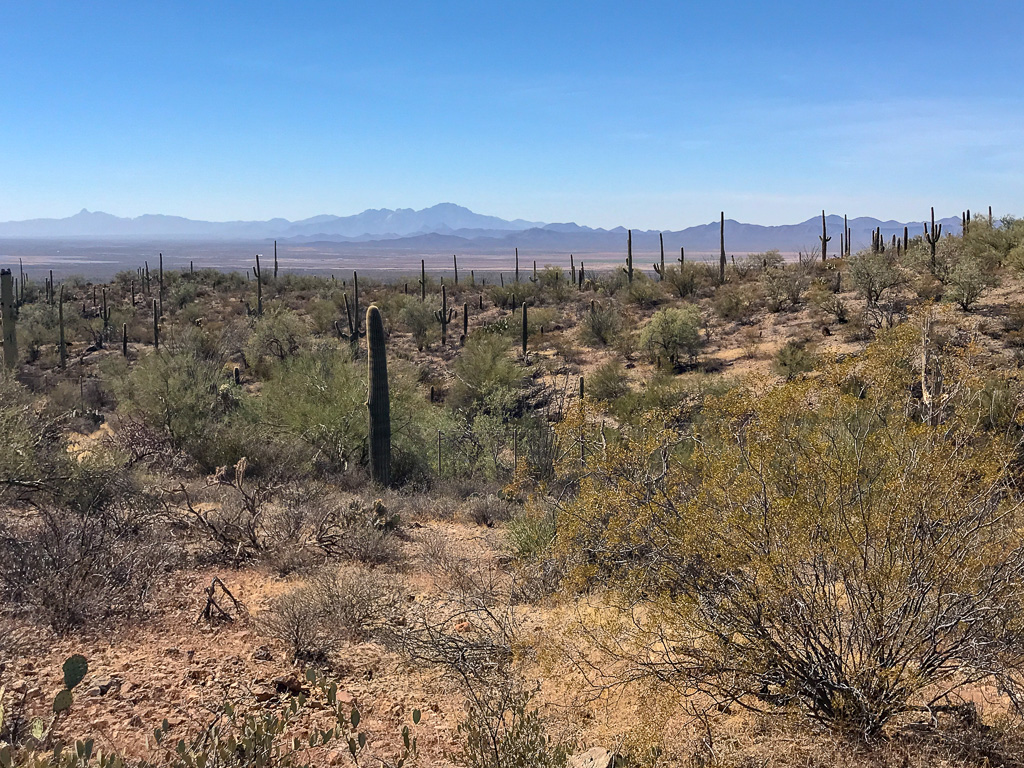
The Sonora Desert!

IMG_2623

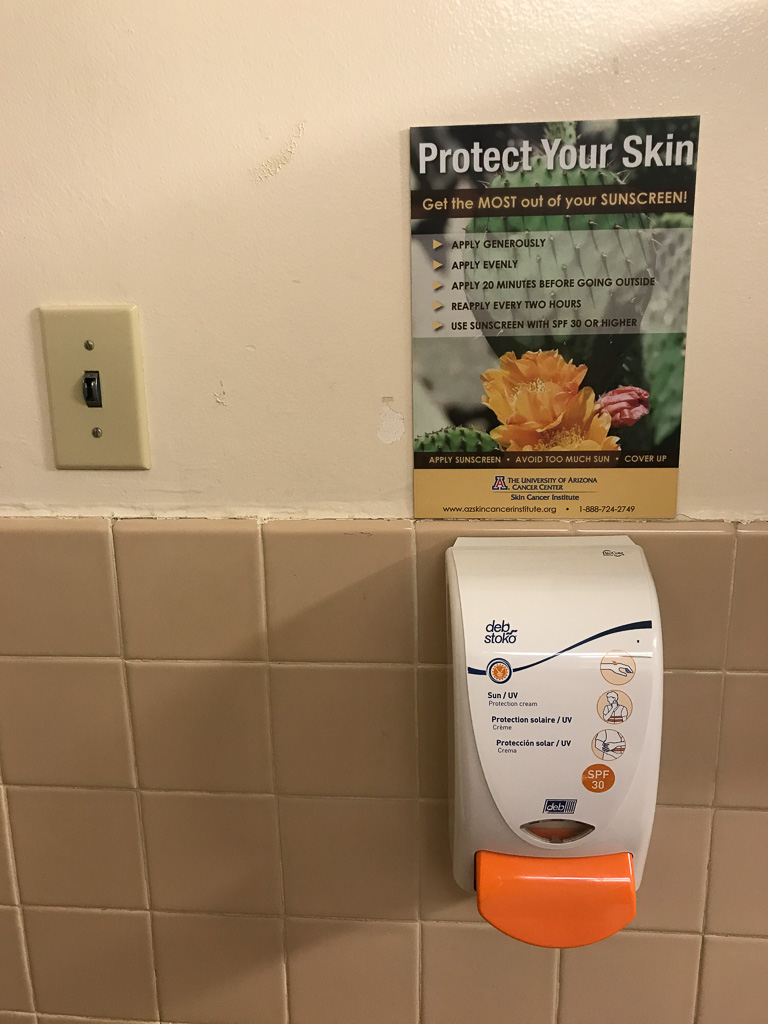
Sunscreen in the public bathroom. Hey, thanks.


Intro. to Sociology field trip to the National Museum of African American History and Culture

Last December I heard that the National Museum of African American History and Culture (NMAAHC) was soon to open up its online ticket system for large groups. I set the date on my calendar, waited until the day arrived, and put in a request for both of my Introduction to Sociology classes to visit the museum. We got lucky – sixty tickets were allocated to us on the day I had requested, a Saturday in early March.

I made the field-trip a required part of both of my Introduction to Sociology classes, and will likely continue to do so in the future (though the Museum seems to have suspended the group pass ticket program for the moment due to continuing high demand). The idea was not just to expose the students to the museum’s content, but to ask them to engage with it sociologically. I wanted them to practice identifying sociological ideas outside of the classroom. For example, they were tasked with looking for where the museum content illustrates the idea of the social construction of race, which we had read about in class, though I told them the exhibits that did so wouldn’t use those specific terms.

For teachers who live in Washington DC, the NMAAHC is a great place to take students. It’s free, easy to access by metro, and, of course, has incredible content. I had been through the lower floors once before, which helped me decide how to direct our visit. We arrived early to make sure all 60 students were assembled by the time the museum opened at 10am, which was also the time our tickets gave us entry. The space set up for large groups to wait and enter worked fine. I used the time in line to hand out worksheets and give reminders about what time we would meet again as a group. The worksheet served the purpose of directing their eyes toward things we had already been discussing in class, and giving them lots to talk about in our group discussion. Take a look at it here.

The students were free to peruse the museum individually or in groups at their own pace. The only requirements were that they take notes on what they saw on the worksheet, and meet on the ground level at noon for discussion until 1pm, at which time they were free to go. I encouraged students to start at the bottom of the museum in the earliest section of the history floors. Because we entered at the beginning of the day, most of the students reported not spending more than 20 or 30 minutes waiting in line to go down the elevator to enter the exhibit at the bottom floor. The few that didn’t begin there and tried to go down later in the morning reported that the line had ballooned out significantly, making those floors inaccessible within the time we had available.

Because I didn’t get around to looking into classroom space within the museum until it was too late, we had our discussion on the entry level of the museum instead, with most of us sitting on the floor in a large group by the windows. This was fun in a way, as we were very much in the mix of the museum-goers (one curious soul even stopped to join us for a short time). However, the ambient noise and the size of the group made it hard to hear ourselves talk, so next time I’ll inquire earlier about those classrooms. Next time I might also give the students a bit more time in the museum itself before asking them to meet for discussion – probably 10-12:30 on their own and then group discussion from 12:30-1:15.

Next semester I’d also like to make time during the next regular class meeting after the field-trip for discussion, especially to revisit some of the more conceptually challenging content on the worksheet. I’ve started a small collection of photographs of specific museum exhibits that relate to course content that I think will be useful to show in the classroom. As I show an image of a particular exhibit,  the students that saw it at the museum but didn’t think to link it to our course readings will make a new connection, and students that missed it at the museum will get a chance to see it for the first time.

Check out photos from our trip below, or if you are reading this in your e-mail inbox, online.


New course: Sociology of Food and Agriculture

Today was the first day of the fall semester here at Howard University, and also the first day of my new class: Sociology of Food and Agriculture. Check it out below! Students, if you are still looking for a class to take, I have room in this one so come on by. We’ll be applying our sociological imaginations to something we all do every day but don’t always think that much about: eating. To do so we’ll read about the origins of the US food system, labor organizing, the industrialization of the food system, land ownership and loss, shopping, eating, and hunger. We’ll also be using what we learn in class to contribute to Wikipedia with the help of the good people at Wiki Education.

Instructors, if you are interested in incorporating a Wikipedia assignment into one of your courses, Wiki Education has a lot of tools to help you do so – everything from sample assignments to training videos and semester-long timelines. They also offer individualized class support to you and your students.

As usual, thank you to everyone who helped me think through what to assign in this course. Friends, colleagues, the Food and Agriculture Specialty Group of the American Association of Geographers, and the Critical Race Theory and Food Studies list run by Breeze Harper all contributed.

Interview: Book chapter on California-Chiapas-Acre climate change policy

My colleague Aaron Soto-Karlin and I are wrapping up final revisions on a book chapter for inclusion in Sustainability Now! Sustainability How? Situating Sustainabilities through Interdisciplinarity and Social Justice, edited by Julie Sze. The book is under contract with NYU Press and hopefully will come out in 2018 or early 2019.

Our chapter analyzes an international memorandum of understanding between California, Chiapas (Mexico) and Acre (Brazil). The agreement would allow greenhouse gas emitters in California to comply with a California cap on greenhouse gas emissions by purchasing offsets designed to preserve forests in Chiapas and Acre instead of reducing emissions in California. Our chapter presents the global policy debate over forest carbon offsets as it plays out on the ground. More specifically, we situate global policy within local reality by demonstrating how support for and against the MOU was affected by preexisting political conflict in two of the three participating jurisdictions: California and Chiapas. To do so, we present the historical and political context of the debate in each location.

Research on forest carbon offsets gets very technical very quickly. Aaron and I took pains to make our chapter understandable to people unfamiliar with the terms of the debate, so we were happy to share a draft for inclusion in an interdisciplinary, undergraduate course on “Water and Sanitation Justice.” (One piece of the course focuses on climate change – see the syllabus here). The course was developed by a group of scholars located at multiple campuses of the University of California and taught online by Ben Crow for the first time this spring. Teaching Assistant and PhD student Abby Brown helped develop the course and interviewed me about our chapter for use in the class. I listened to the interview last week and have shared it below.* The interview lasts for 20 minutes.

* Subscribers who get my posts delivered by e-mail will need to click through to the original post online in order to access the interview.