I’m pleased to have contributed a chapter to the just-published book 50 Key Scholars in Black Social Thought, co-edited by Marie-Claude Jipguep-Akhtar and Nazneen M. Khan. The book brings together the work of 55 scholars, including two others from my institution, who write about 50 Black thinkers. One of the appealing parts of the book is that it includes profiles of intellectuals, researchers and writers from the 1800s to the present day.
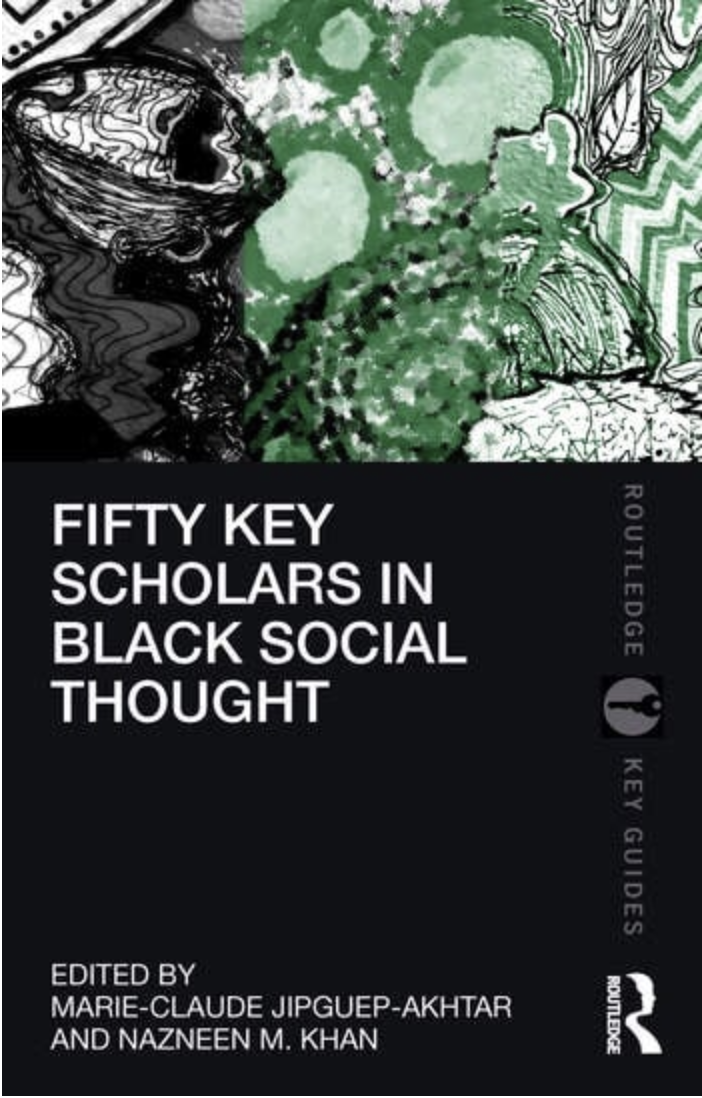
The co-editors selected the people who would be featured in the book, and then found authors to write their profiles. My colleague from my time at Howard University, Marie Jipguep-Akhtar, first invited me to write the chapter on the Combahee River Collective. That would have been a great chance to deepen my understanding of their work. I would have also revisited the excellent oral histories included in How We Get Free: Black Feminism and the Combahee River Collective, which I had previously read with my graduate students in a seminar on Multiracial Organizing in the United States. However, I ended up opting to write about E. Franklin Frazier instead.
I switched partly because I thought that while there would be plenty of other authors interested in writing about the Combahee River Collective, there were probably fewer who might want to write about Frazier; he is farther behind us in history and has a less positive reputation among contemporary scholars. I also chose him out of personal curiosity to learn more about him. Frazier was the long-time chair of the Sociology department at Howard University where I had my first faculty job. For the first few years of my time there we worked out of the same set of offices that he did – there was a rather grand office for the department chair with built-in wooden bookcases and a fireplace that he would have occupied.
Writing about Frazier gave me a chance to improve my understanding of the period of Black intellectual history to which he contributed and its relationship to the department and university where I began my faculty career. This meant grappling with the the fact that while much of his career was dedicated to fighting anti-Black racism, his sexism harmed Black women. As a result, his writing was part of the body of scholarship that necessitated the corrective work of Black feminists such as those of the Combahee River collective.
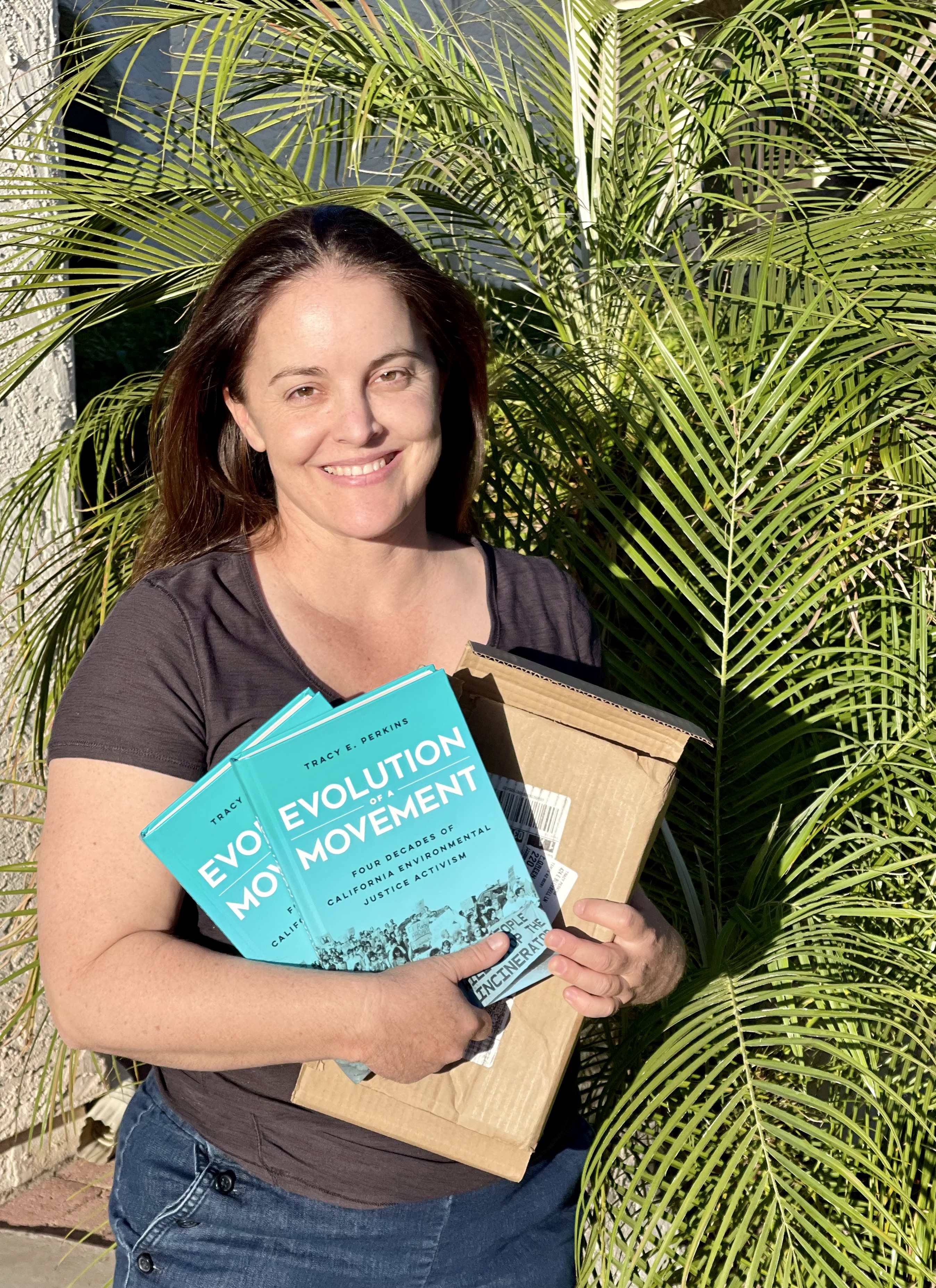
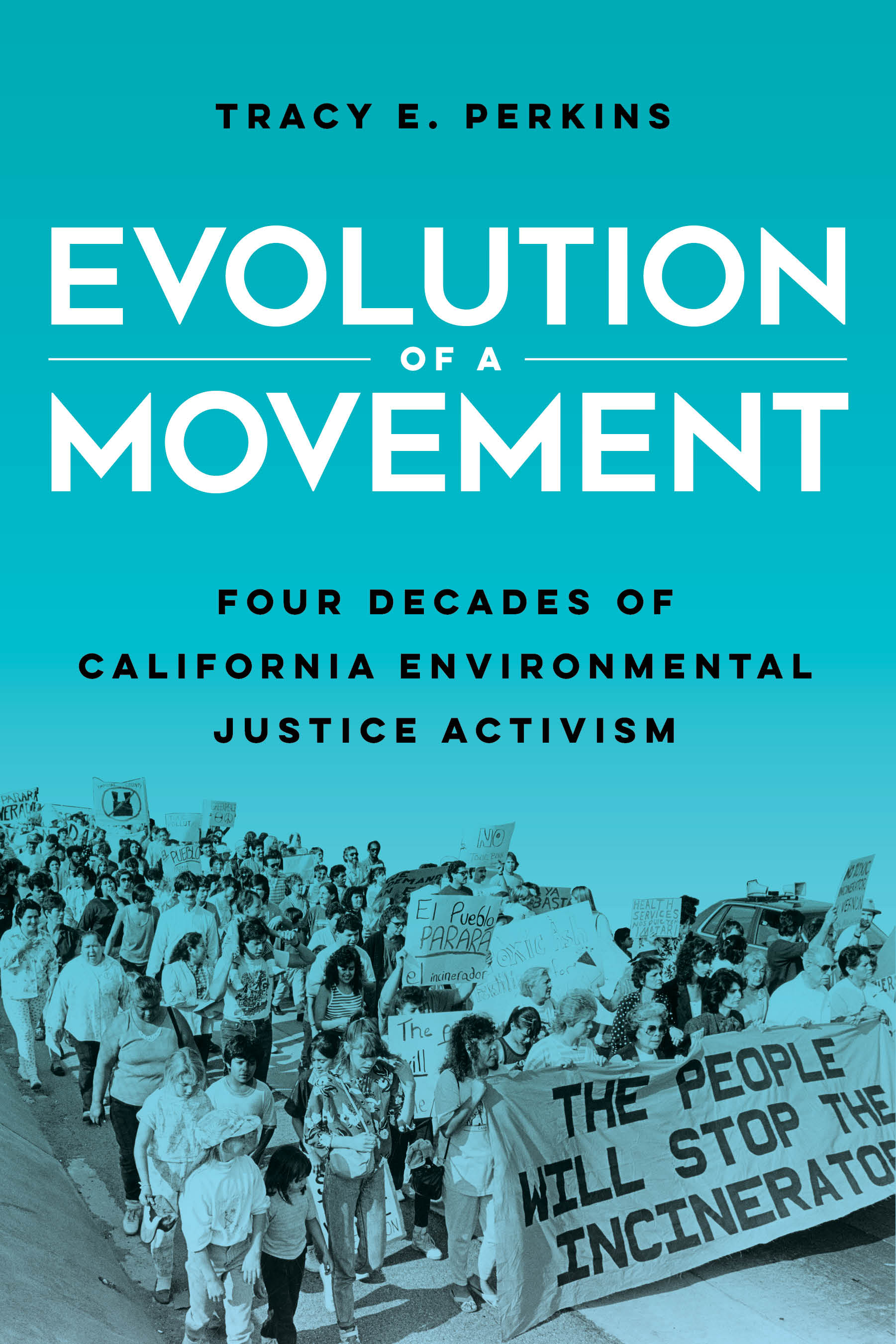
 Tracy Perkins