Overcoming Corporate Threats to Academic & Community Research on Industrial Animal Production

I chaired a panel discussion on “Overcoming Corporate Threats to Academic and Community Research on Industrial Animal Production” earlier this month at the annual meeting of the Association for Environmental Studies and Sciences. The panel was organized by Zoe Ackerman at the the Rachel Carson Council. It focused on the experiences of people whose health is impacted by the North Carolina hog industry. More specifically, panelists discussed industry intimidation and legal tactics designed to suppress research on the health impacts of concentrated animal feeding operations (CAFOs) on their nearby human neighbors. Steve Wing, the leading scholar on this topic, was part of the panel design, but in the end was unable to join. However, the following panelists gave a great overview of the issue and how it relates to broader threats to research in the public interest.

Keep an eye out for more work to come on this subject coordinated by the Rachel Carson Council. Also look out for announcements about the North Carolina Environmental Justice Network’s annual summit. In the meantime, the video below provides a short overview of our conversation. See also the following pinterest board where I collected articles I used to inform my framing remarks, which are not included in the video. I linked Steve Wing to Ignacio Chapela, William Cronon, Tyrone Hayes, and Anita Sarkeesian, who have all experienced serious push-back from the industries and social groups threatened by their research. Like many of the other panelists, I emphasized how industry relation against scholars has a chilling effect on the kinds of questions that we ask.


“Toxic tour” of Baltimore

Last fall Mike Ewall and Dante Swinton of Energy Justice Network led my students and me on a “toxic tour” of Baltimore. Toxic tours are one way that environmental justice activists do political education. They involve bringing politicians, environmental agency staff and others into the communities where activists live and/or work to build awareness of the problems there and find ways to support local activists in trying to solve them. In our case, Mike and Dante led the students in my fall Environmental Inequality classes to see some of the contested sites where they work. This gave the students a better way to visualize the things we had been reading about, and to learn about their local applications.

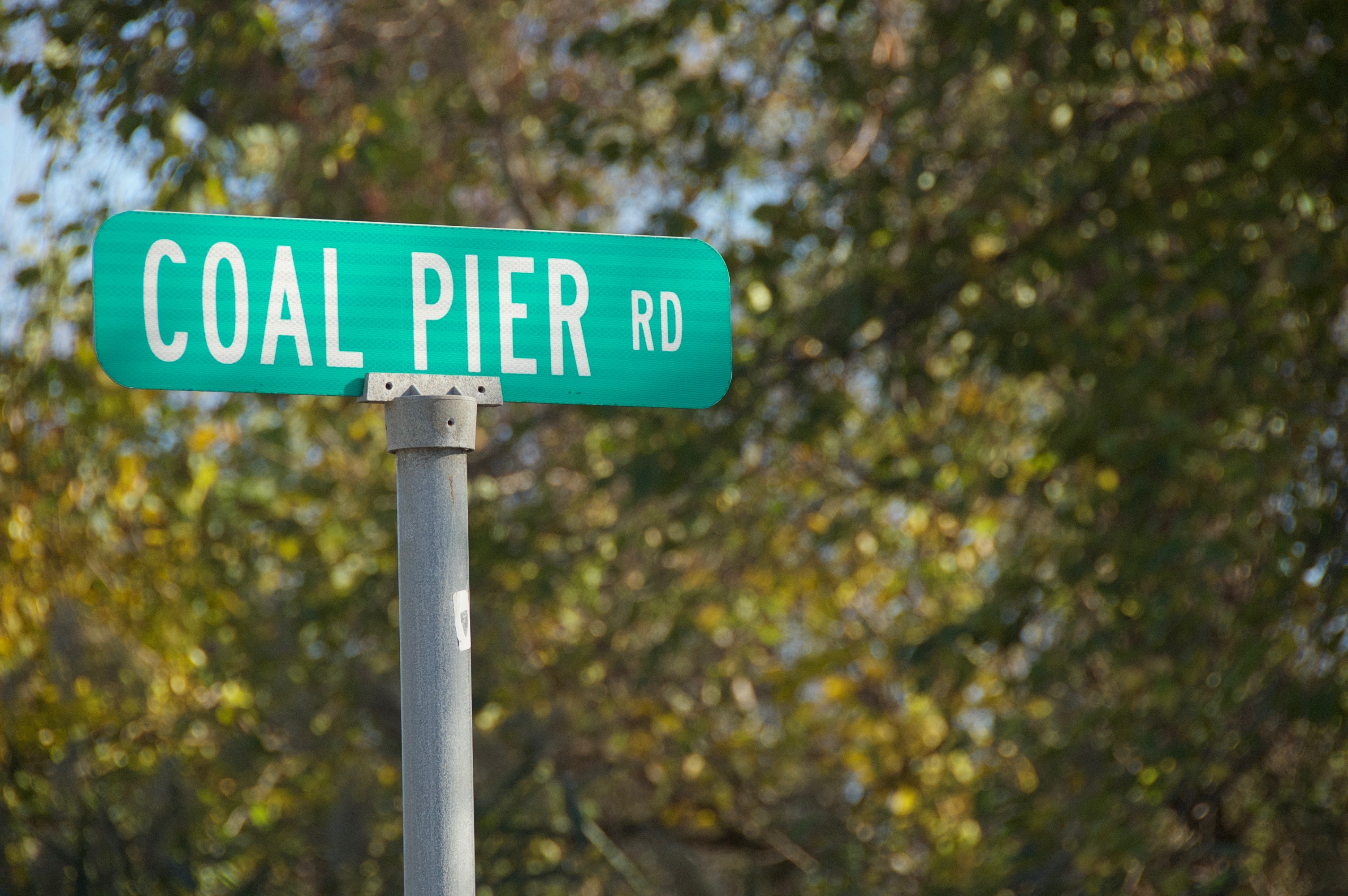
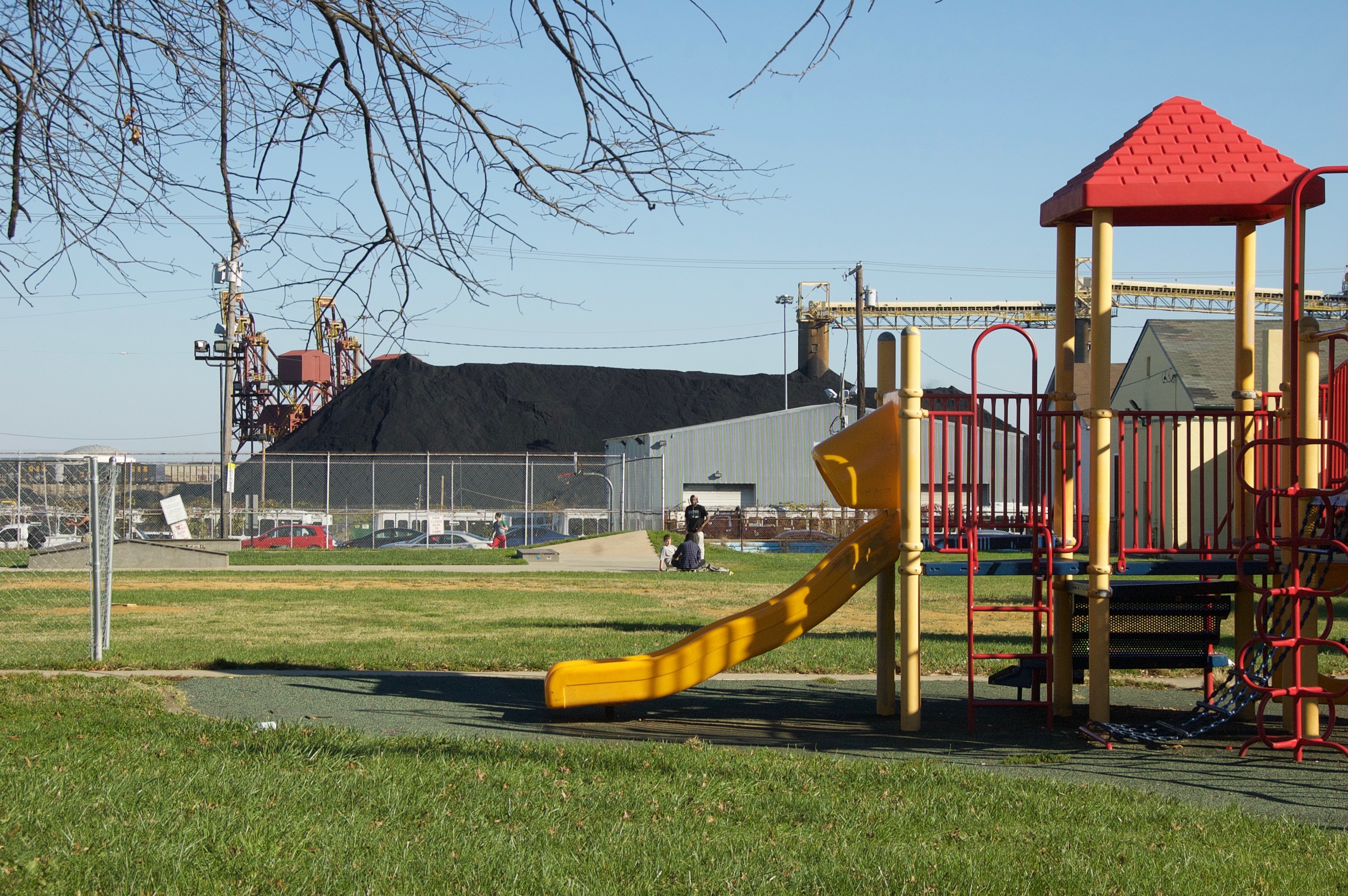
We started at the Wheelabrator Baltimore trash incinerator. We were immediately reminded of the environmental justice slogan that defines the environment as “the places we work, live and play” by the sight of families picnicking at the park directly adjacent to the incinerator. We moved on to the site of a proposed new incinerator (for trash, tires, shredded cars and wood waste), a coal and steam-fired electrical generating station, a closed hazardous waste landfill, the port (piled high with coal), the nation’s largest medical waste incinerator and a municipal waste landfill, among other industrial sites.

Since our visit, the proposed new incinerator that we learned about has been defeated, at least for now. Baltimore resident Destiny Watford, co-founder of the student group Free Your Voice, became the 2016 recipient for North American of the international Goldman Prize for her leadership role in the campaign.

My students got a lot out of the trip. They had read about the problems of industrial pollution and the people who live right next to polluting industries, but walking those landscapes seemed to make the issues much more real for them. For my part, I was saddened to see again in Baltimore many of the same problems I am familiar with from my research in California. It’s one thing to know about national trends, and another to see for oneself that they are, indeed, national.

The photos below show some of the places we went. They depict Mike Ewall and Dante Swinton from Energy Justice Network, as well as my students from Howard University – Olivia Byrd, Jesse Card, and Gerlene Toussaint. Sign up for the Energy Justice newsletter or “like” the Free Your Voice Facebook page to find out how you can plug in.


DSC_0107DSC_0083DSC_0045DSC_0021DSC_0003DSC_0163DSC_0052DSC_0064DSC_0070DSC_0066DSC_0061DSC_0102DSC_0072DSC_0087